
Nature Journaling - Adding Another Layer of Connection - Marilyn Laughlin, LCSW, RYT-500, Certified Nature Therapy Guide
Nature journaling is an enjoyable way to connect with and learn about nature. It is a mindfulness practice specific to outdoor spaces. It suits all ages who can write! It’s available to everyone, no equipment or membership fees required. One piece of paper and a writing tool is all anyone needs. It can be done solo or in a group, and the risk of side effects is minimal to none. Find a space to rest and reflect as a break on a longer hike or at the end of a walk before you head home.

My journaling space - Venable Trail, Westcliffe, CO
This activity consists of writing down impressions, observations, and emotions encountered while spending time in nature - hikes, walks, sitting in a park, or visiting a nature center (zoos, botanical gardens). It can include sketches or photos you take, poems inspired by the experience, or short prose. While it is not a new activity, nature journaling did make a resurgence during the COVID years . Nature journaling was used “as an educational and therapeutic activity for individuals, families and school groups during and after the COVID-19 global pandemic” (i.e. Laws & Foster, 2020; WeConservePA, 2020).
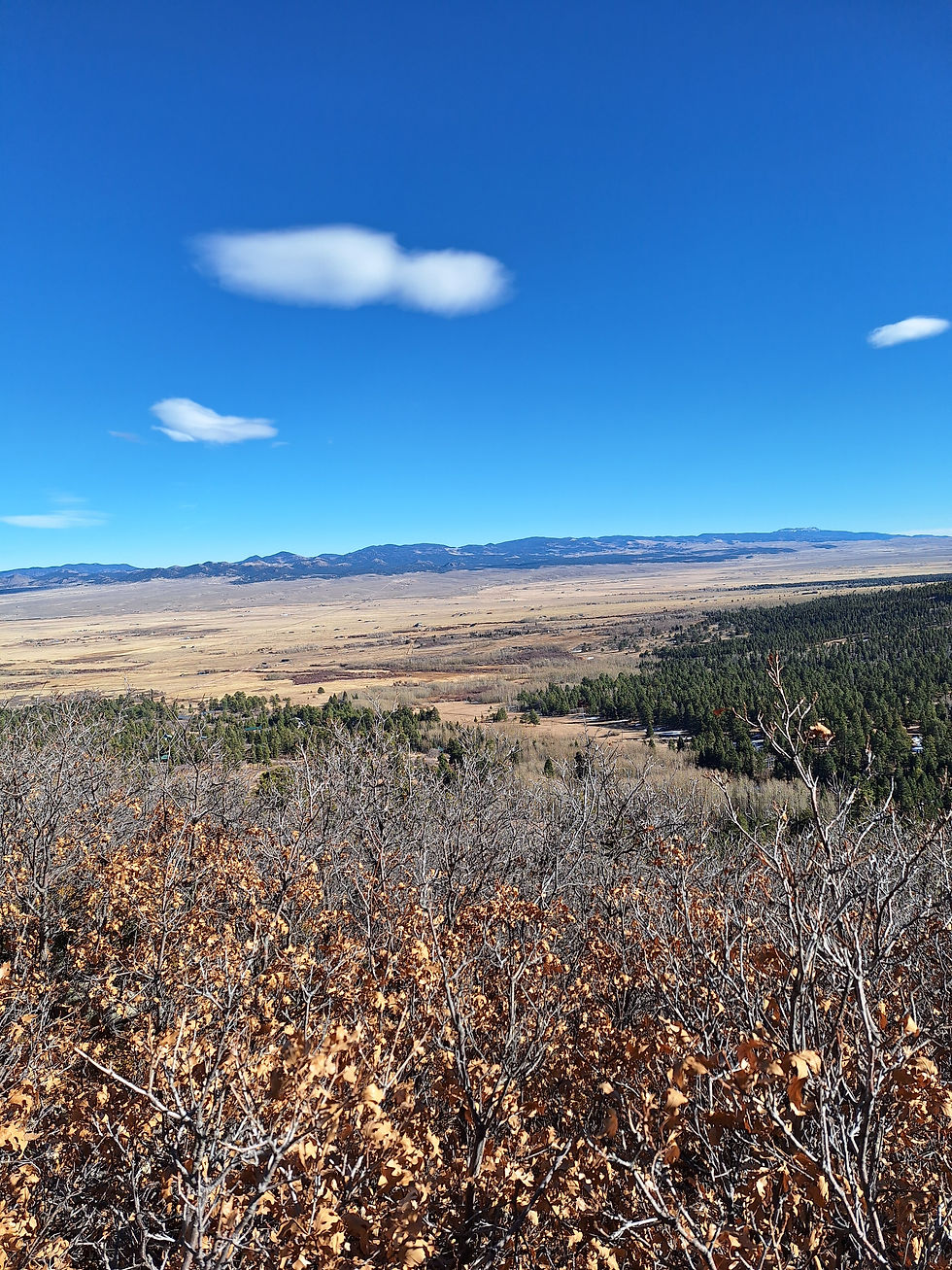
Near to far on a clear day
The practice does require slowing down (open-ended length and structured hikes or walks), observing, reflecting and expressing through writing, sketching or photography. You could spend hours or minutes depending on the time you have available. Nature journaling heightens self-awareness and reduces stress. Our creativity is activated by curiosity about the observations you make, and inspires further study after your hike or walk about the things you observed. Writing about or sketching the sensory experiences keeps the memory alive and present for a longer time. It may also “mitigate social isolation in older adults” (Lucy R. McClain, Amy E. Powell & Kyle A. Bettwy (2025) Community nature journaling: wellbeing and learning outcomes for adult and youth participants, Journal of Adventure Education and Outdoor Learning, 25:1, 282-300, DOI: 10.1080/14729679.2024.2425933) and “contributes to wellbeing and and a sense of belonging” (Irvine et al., 2022).
Under the ice, the water flows
The core elements of nature journaling are: Observe, Reflect, Express through words and images
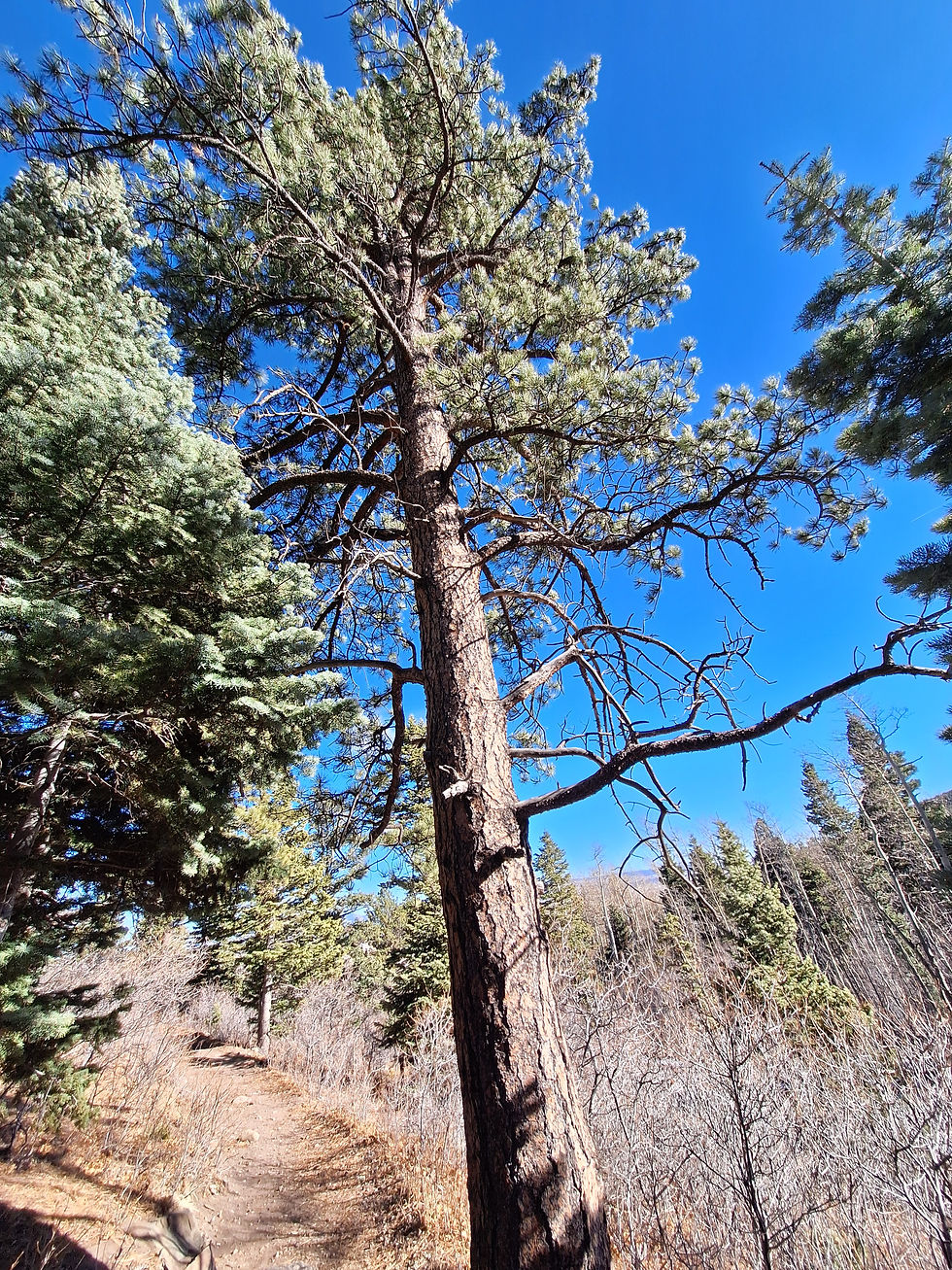
My tree hugging friend, feeling the sway deep in its core
Here are some prompts to consider when setting out for a nature journaling activity:
What patterns in nature that I see reflect my life?
Circular nature of flowers, seed pods or cones dropped by the trees, changing seasons
What’s making me curious?
A bird’s song or cry, colors in plants or flowers, the clouds
What in the environment is making the biggest impact on me?
The plants, temperature, animals
What questions do I have about what I observed, heard, touched or smelled?
Reflection - personal feelings, memories that might come up
Context - weather, location, time of day
Water - thoughts flowing
You may also choose to create a nature mandala from things you collect on your walk. See my blog post on creating nature mandals for more information.
Strong winds, flexible trees
Here are a couple of websites I found about it as well in case you want more ideas.


I have analyzed the technical layout of these K 12 math courses to see if they offer more than just basic video lessons. The use of an adaptive learning system suggests a more data driven approach to student progress than traditional static methods. One on one sessions are included which is a more efficient way to manage a child's focus on complex topics. You can examine their pedagogical framework at https://brighterly.com/math-courses/ to see if the tutor vetting process meets your standards. The platform remains functional and stable which is my primary concern for any digital service. It is always wise to look past the surface and verify the actual curriculum. Keep a skeptical mind and prioritize a rational approach. Exercise caution…