
Being In the Metaphor - Nature's Unpredictable Messages: Marilyn Laughlin, LCSW, RYT-500, Certified Nature Therapy Guide
Part of nature-based therapy is the concept that nature becomes a co-facilitator or partner in therapeutic relationships. Spending time in nature in therapy means nature takes an active role in playing out a client’s central issues. In addition to the client/clinician relationship, there is also the client/nature relationship. Developing this relationship empowers clients to relate to the conditions nature experiences in an ongoing, consistent presence. Or, “to engage in a way where we’re not just naming and controlling everything . . . but in relationship with these others so there is the possibility of experiencing a wildly interactive and sentient world”1

Clients use experiences in nature to develop metaphors for their personal issues. “Nature nurtures through unique reflection”1. Their reflections can be used to change perspective about situations or help clients feel supported in decision making and increase self-awareness to feel more comfortable asserting changes to daily living. They are in a calm environment and feel more confident in the choices they make post-walk.

A meditative walk in nature that incorporates the beginner’s mind approach can assist clients with issues like “letting (it) go”, “staying present” or noticing what presents itself with each step. Consider questions like What does nature want me to know today? Or, how can I let (this attachment) go using nature as a therapeutic partner? Prepare for “body awareness, deep listening, mindfulness, symbolic interaction, and experiential ways of knowing”1 to manifest as a result of the time spent in nature. Allow nature to participate, notice the small butterflies, or the sound of the wind in the trees, or the songs of birds, and absorb the information about what is going on around you in the community of the woods as it may relate to your own situation.

By letting go of the grasping (where suffering happens) of a particular outcome of a situation or attachment, we find space to reevaluate our situation. We can reframe our view of what letting go means, from an image of loss with feelings of emptiness to instead finding a benefit in letting the suffering go, and not the event or attachment. If we are no longer suffering, we no longer need to play the role of one suffering, and we can retain our energy for positive change.
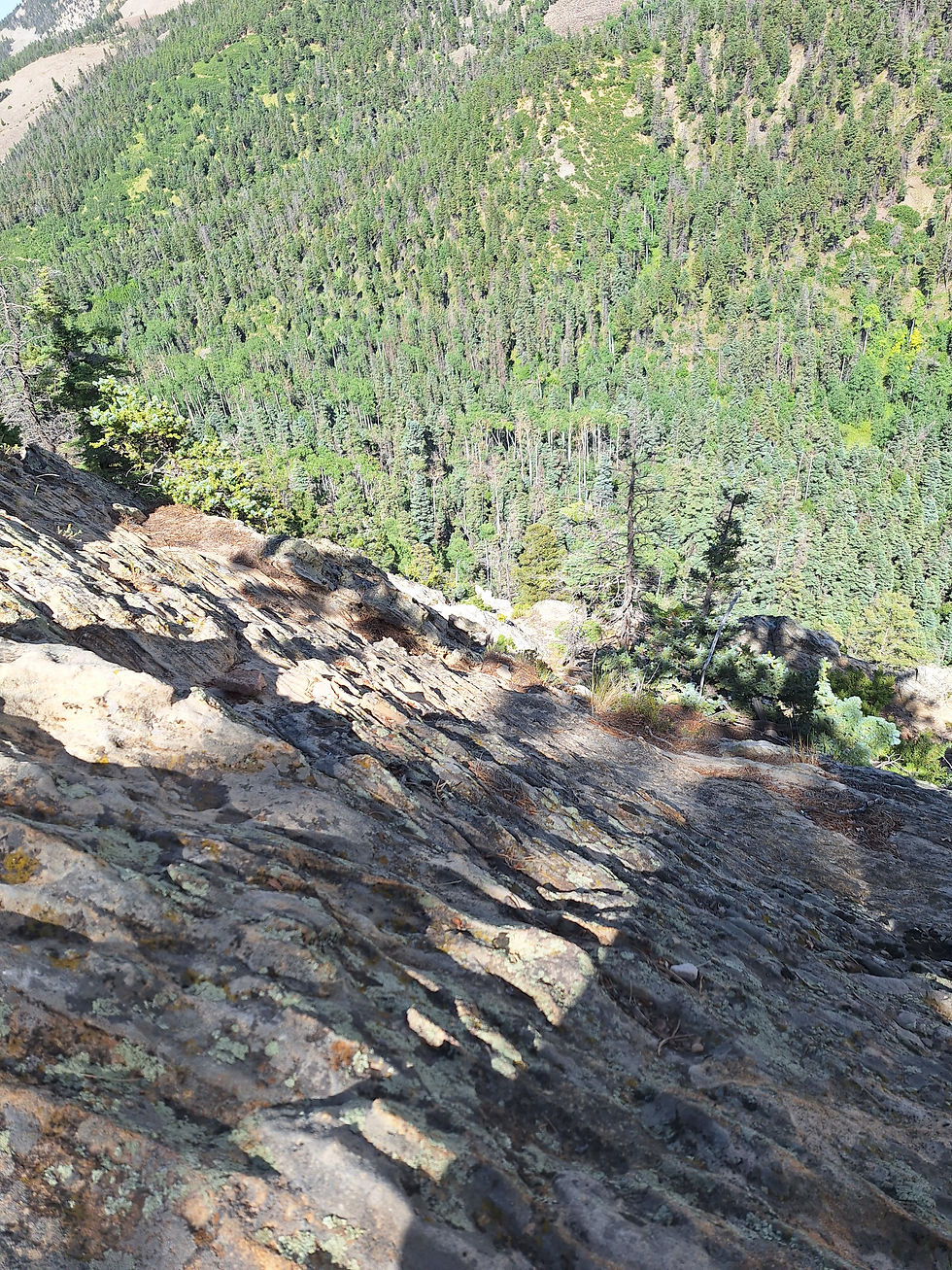
To put these ideas into practice, today, while walking the Dikes Trail in Cuchara, CO I asked, what kind of message is there for me? On the way back down the trail, I came across a large rock lifted out of its place by a tree root that extended across the trail. It had a small cap on its top. Let your roots lift you up! (bad grammar I know) was my first thought. Then, look inward and underneath that “rock” to find personal attunement through the external experience. Find opportunities to repattern old ways of doing things. And, let nature be my guide. I look forward to using this practice with clients. Try it yourself. It’s fun!

Happy metaphor hunting!

References:
Lia Naor and Ofra Mayseless (2020). The Art of working with nature in nature-based therapies. Journal of Experiential Education 1-19. DOI: 10.1177/1053825920933639
Gil Fronsdal (2023) What we gain when we learn to let go. Tricycle. https://tricycle.org/article/gil-fronsdal-letting-go/


Comments